Introduction
Adolescent sexual and reproductive health and rights (SRHR) remain a pressing challenge in Liberia, with high teenage pregnancy rates and limited access to family planning services contributing to health, social, and economic burdens. These issues perpetuate cycles of poverty and hinder educational opportunities, with many young girls becoming mothers at an early age without access to adequate contraception.
Statistics show alarming realities: half of adolescent girls are sexually active by ages 10–15, with 10% of girls aged 10–12 already bearing children. By 19, nearly 30% are mothers, but only 3 in 10 use contraception. This lack of protection increases the likelihood of multiple pregnancies by age 20–24 and exposes them to higher risks of maternal mortality from childbirth complications and unsafe abortions. One in three adolescent mothers faces fatal outcomes during delivery.
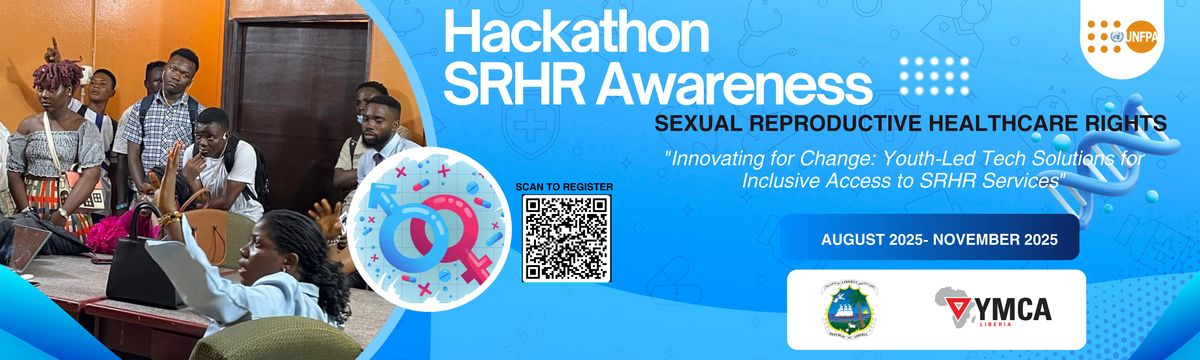
Beyond the shortage of SRHR services, behavioral barriers such as stigma, lack of awareness, and poor service utilization worsen the crisis. This innovation challenge, “Innovating for Change: Youth-Led Tech Solutions for Inclusive Access to SRHR by Adolescents and Youth in Liberia,” seeks to empower young Liberians to develop creative and scalable technology-driven solutions. The goal is to encourage positive behavioral change, enhance access to family planning, and bridge the gap between SRHR supply points and underserved communities.
Tools and Technologies
Tools and Technology for “Innovating for Change: Youth-Led Tech Solutions for Inclusive Access to SRHR by Adolescents and Youth in Liberia”
The hackathon outlined in the document emphasizes the use of diverse and innovative technologies to address SRHR challenges in Liberia, focusing on accessibility, scalability, and inclusivity. Below are the key tools and technologies recommended for developing the proposed solutions:
Mobile Apps and Platforms
◦ Offline SRHR App: Utilize low-data frameworks like Flutter or React Native to create apps with downloadable content, ensuring usability in low-connectivity areas.
◦ Menstrual Health Tracker and Safe Space Locator: Leverage GPS and mapping APIs (e.g., Google Maps) for location-based services, with offline capabilities for rural access.
◦ Peer-to-Peer Education Platform: Implement social networking tools like Firebase or Django to facilitate peer connections and content sharing.
Artificial Intelligence (AI) and Chatbots
◦ SRHR Chatbot and AI-Powered Counselor: Use natural language processing (NLP) frameworks such as Rasa or Dialogflow to develop multilingual, culturally tailored chatbots for SRHR education and support.
◦ Voice-Activated SRHR Assistant: Integrate voice-first AI technologies like Viamo or Google’s Speech-to-Text to serve low-literacy and non-English-speaking youth in Liberian English.
Supply Chain and Data Management
◦ Medtracka App and mSupply: Adapt existing inventory management systems (e.g., mSupply) and AI-driven supply chain tools (e.g., Medtracka) to optimize SRHR commodity distribution.
◦ Emergency Obstetric Care Dashboard: Employ data visualization tools like Google Data Studio or Tableau to map SRHR service gaps and improve connectivity.
Interactive and Educational Tools
◦ Consent Education Game and Gamified SRHR Quiz: Use game development platforms like Unity or Godot with culturally relevant content to engage youth.
◦ Augmented Reality (AR) Education Tool: Implement AR SDKs (e.g., ARKit, ARCore) to create interactive visualizations of reproductive anatomy and contraception methods.
Telehealth and Communication
◦ Anonymous Tele-Health Platform and Partnership-Driven Telemedicine Network: Utilize secure communication protocols (e.g., WebRTC, Signal Protocol) and encrypted chat systems for private consultations.
◦ U-Plan WhatsApp Bot: Extend WhatsApp Business API for delivering interactive family planning information, ensuring accessibility via widely used messaging platforms.
◦ SMS-Based SRHR Alerts: Develop SMS gateways using Twilio or similar services for reminders in low-tech environments.
Inclusive Design Technologies
◦ Disability-Friendly SRHR Portal: Incorporate accessibility features like screen-reader compatibility (e.g., NVDA, VoiceOver) and sign-language video integration.
◦ Inclusive SRHR App: Use inclusive design frameworks to ensure tailored content and safe access for marginalized groups.
Blockchain and Security
◦ Blockchain-Based Health Records: Implement blockchain platforms like Hyperledger or Ethereum for secure, anonymous storage of SRHR medical records.
Low Cost and Scalable Infrastructure
◦ Low-Cost SRHR Kiosk: Deploy affordable hardware (e.g., tablets) with open-source software for community-based education.
◦ Crowdsourced SRHR Content Platform: Use content management systems like Drupal or WordPress with user contribution features for scalability.
These tools and technologies should be selected based on their ability to operate in low-connectivity environments, support linguistic diversity (including Liberian English), and cater to persons with disabilities. The hackathon encourages participants to prototype solutions that leverage these technologies, ensuring they are feasible, scalable, and aligned with the “leave no one behind” agenda.
Inspiration
Adolescent sexual and reproductive health and rights (SRHR) remain a pressing challenge in Liberia, with alarming rates of teenage pregnancy, early sexual activity, and limited access to family planning services. Statistics show that 1 in 2 adolescent girls are sexually active by ages 10–15, and by age 19, nearly 30% are already mothers—yet only 3 in 10 use contraception. This results in multiple early pregnancies, higher risks of maternal death, and unsafe abortions. These realities not only endanger young lives but also perpetuate poverty, school dropouts, and social inequalities.
Contact Us & Support Channels
Ydigital Startup Lab, YMCA Liberia, Crowhill Broad Street, Monrovia,
Email [email protected] [email protected] Phone: +231777599509